The healthcare industry is undergoing a transformative phase, marked by rapid advancements in technology, heightened patient expectations, and an intensified focus on personalized care delivery. Medical startups, founder-led practices, and wellness-oriented brands are uniquely positioned within this dynamic landscape to differentiate themselves through innovative marketing and branding approaches. To navigate this competitive terrain effectively, these organizations must adopt strategies that align with key shifts and capitalize on emergent opportunities, while maintaining adaptability to unforeseen challenges and trends.
Startups and founder-led practices face distinct challenges, such as establishing credibility, navigating regulatory complexities, and scaling sustainably in an increasingly crowded market. Yet, these challenges are counterbalanced by unprecedented opportunities for those who demonstrate agility, foresight, and a commitment to excellence in their operations and outreach.
Recommended Strategies:
In 2025, a robust digital presence forms the cornerstone of effective healthcare marketing. This encompasses a seamlessly designed website, active engagement on social media, and a comprehensive content marketing strategy. Digital platforms often serve as the first point of interaction for prospective patients. A sophisticated and user-friendly online presence not only establishes credibility but also fosters trust and serves as an invaluable channel for ongoing patient engagement.
Recommended Strategies:
The strategic use of analytics and data tools enables medical brands to gain granular insights into patient behaviors, preferences, and engagement patterns, paving the way for highly targeted marketing efforts. Data-driven strategies enhance the precision and effectiveness of marketing initiatives, optimize resource allocation, and yield measurable outcomes that resonate with both patient needs and organizational goals.
Recommended Strategies:
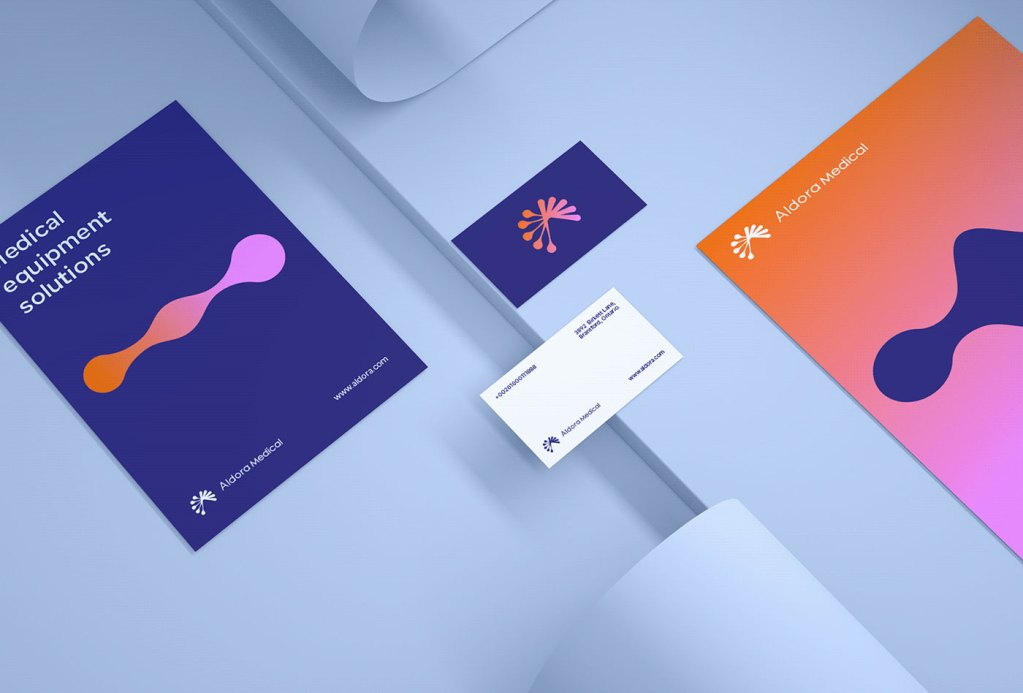
Storytelling remains a powerful tool for humanizing healthcare brands. Founder-led practices and startups can leverage their unique origins and missions to create an authentic and relatable identity. A well-crafted narrative fosters emotional connections, differentiates the brand in a saturated market, and builds enduring patient relationships.
Recommended Strategies:
The integration of advanced technologies, including telehealth platforms, online scheduling systems, and AI-powered tools, is critical to enhancing the patient experience and operational efficiency. Patients increasingly prioritize convenience, accessibility, and responsiveness in their healthcare interactions. Brands that adopt and optimize these technologies gain a competitive edge by addressing these priorities effectively.
Recommended Strategies:
Partnerships with complementary organizations, influencers, and community groups amplify a brand’s reach, enhance its credibility, and create new avenues for growth. Strategic collaborations enable brands to tap into new patient segments, foster co-branded initiatives, and position themselves as integral components of the broader wellness ecosystem.
Recommended Strategies:
The transition to value-based care models continues to redefine priorities in healthcare. Emphasis on outcomes rather than volume necessitates innovative approaches to patient engagement and service delivery. Concurrently, the integration of artificial intelligence and machine learning is revolutionizing diagnostics, operational processes, and personalized treatment plans. To navigate these shifts successfully, medical brands must:
In an era of rapid evolution and increasing complexity within the healthcare industry, medical startups, founder-led practices, and wellness brands must embrace transformative marketing and branding strategies to sustain competitive advantage. By building robust digital ecosystems, leveraging data insights, adopting patient-centric technologies, and fostering strategic collaborations, these entities can not only navigate contemporary challenges but also seize opportunities for growth and innovation.
For tailored strategies that align with your brand’s goals and aspirations, connect with Brand MD to redefine your approach and secure your position at the forefront of modern healthcare.

We’re thrilled to have you at Design Hiro, branding is about more than a logo—it’s creating an experience that keeps guests coming back. Whether you’re launching or refining your brand, we’re here to help you stand out and build lasting loyalty. Let’s make your brand unforgettable!
SCHEDULE A CALL TODAY!The healthcare industry is undergoing a transformative phase, marked by rapid advancements in technology, heightened patient expectations, and an intensified focus on personalized care delivery. Medical startups, founder-led practices, and wellness-oriented brands are uniquely positioned within this dynamic landscape to differentiate themselves through innovative marketing and branding approaches. To navigate this competitive terrain effectively, these organizations must adopt strategies that align with key shifts and capitalize on emergent opportunities, while maintaining adaptability to unforeseen challenges and trends.
Startups and founder-led practices face distinct challenges, such as establishing credibility, navigating regulatory complexities, and scaling sustainably in an increasingly crowded market. Yet, these challenges are counterbalanced by unprecedented opportunities for those who demonstrate agility, foresight, and a commitment to excellence in their operations and outreach.
Recommended Strategies:
In 2025, a robust digital presence forms the cornerstone of effective healthcare marketing. This encompasses a seamlessly designed website, active engagement on social media, and a comprehensive content marketing strategy. Digital platforms often serve as the first point of interaction for prospective patients. A sophisticated and user-friendly online presence not only establishes credibility but also fosters trust and serves as an invaluable channel for ongoing patient engagement.
Recommended Strategies:
The strategic use of analytics and data tools enables medical brands to gain granular insights into patient behaviors, preferences, and engagement patterns, paving the way for highly targeted marketing efforts. Data-driven strategies enhance the precision and effectiveness of marketing initiatives, optimize resource allocation, and yield measurable outcomes that resonate with both patient needs and organizational goals.
Recommended Strategies:
Storytelling remains a powerful tool for humanizing healthcare brands. Founder-led practices and startups can leverage their unique origins and missions to create an authentic and relatable identity. A well-crafted narrative fosters emotional connections, differentiates the brand in a saturated market, and builds enduring patient relationships.
Recommended Strategies:
The integration of advanced technologies, including telehealth platforms, online scheduling systems, and AI-powered tools, is critical to enhancing the patient experience and operational efficiency. Patients increasingly prioritize convenience, accessibility, and responsiveness in their healthcare interactions. Brands that adopt and optimize these technologies gain a competitive edge by addressing these priorities effectively.
Recommended Strategies:
Partnerships with complementary organizations, influencers, and community groups amplify a brand’s reach, enhance its credibility, and create new avenues for growth. Strategic collaborations enable brands to tap into new patient segments, foster co-branded initiatives, and position themselves as integral components of the broader wellness ecosystem.
Recommended Strategies:
The transition to value-based care models continues to redefine priorities in healthcare. Emphasis on outcomes rather than volume necessitates innovative approaches to patient engagement and service delivery. Concurrently, the integration of artificial intelligence and machine learning is revolutionizing diagnostics, operational processes, and personalized treatment plans. To navigate these shifts successfully, medical brands must:
In an era of rapid evolution and increasing complexity within the healthcare industry, medical startups, founder-led practices, and wellness brands must embrace transformative marketing and branding strategies to sustain competitive advantage. By building robust digital ecosystems, leveraging data insights, adopting patient-centric technologies, and fostering strategic collaborations, these entities can not only navigate contemporary challenges but also seize opportunities for growth and innovation.
For tailored strategies that align with your brand’s goals and aspirations, connect with Brand MD to redefine your approach and secure your position at the forefront of modern healthcare.
We’re thrilled to have you at Design Hiro, branding is about more than a logo—it’s creating an experience that keeps guests coming back. Whether you’re launching or refining your brand, we’re here to help you stand out and build lasting loyalty. Let’s make your brand unforgettable!
SCHEDULE A CALL TODAY!